 SITELIVE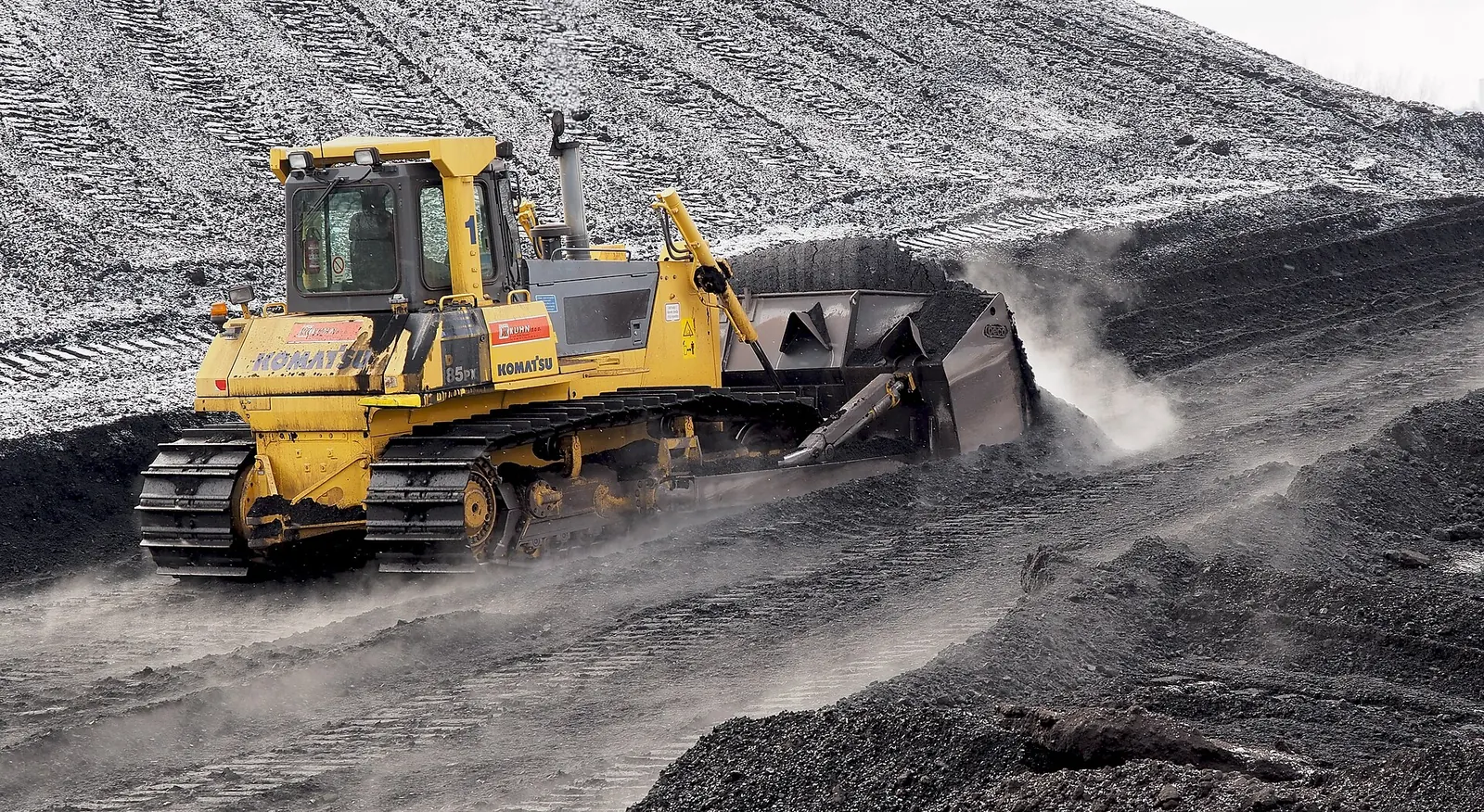
What was announced
Komatsu Ltd and its subsidiary EARTHBRAIN have entered a strategic partnership with AIM Intelligent Machines, a Washington-state developer of autonomous operation technology for bulldozers and hydraulic excavators, to deliver autonomous construction solutions for the Japanese and US markets. The three companies had been jointly running technology validation and business development; Komatsu says the collaboration has now progressed into the commercial deployment phase in the US, where Komatsu autonomous machines are already operating at customer jobsites, with a Japanese introduction planned from 2027.
The technical shape of it
The solution takes construction plans and target terrain data generated in Smart Construction — the Komatsu/EARTHBRAIN digital construction management platform — and hands them to AIM’s physical AI platform. In Komatsu’s description, the dozers and excavators understand project objectives, autonomously determine construction methods and travel routes, and execute construction tasks independently, with planning, autonomous execution, progress visualisation and performance data running through a single digital workflow. Read that precisely: this is plan-driven autonomy against a defined target surface, not a machine improvising a job. The interesting engineering is in the middle — turning a design surface and an objective into cut sequences, pass plans and routes that hold up on ground that changes hour to hour.
Retrofit is the commercially significant part
Komatsu states that AIM’s technology can be retrofitted to existing bulldozers and hydraulic excavators, so contractors can introduce autonomy progressively on the fleet they already own rather than waiting for a replacement cycle. That matters more than any capability claim. Earthmoving fleets turn over across years, and autonomy that ships only on new iron advances at the speed of the capex plan. Retrofit also changes the support question: sensors, compute and comms fitted across mixed-age machines, with the maintenance, calibration and liability arrangements that implies.
The honest limits
Komatsu has published no productivity figures, no machine counts, no customer names and no pricing, and the scope of the "commercial deployment phase" is not stated — a handful of machines on cooperative sites and a fleet programme would read identically in this release. Earthmoving autonomy is also harder than haul-road autonomy, which is the comparison people reach for: the target surface changes continuously, the ground is unstructured, and dozers and excavators work close to people, services and temporary works rather than on a controlled circuit. Safety governance runs through ISO 17757, which places the burden on the operating organisation to define the autonomous operating zone and the interaction rules — that work sits with the contractor, not the OEM. And 2027 for Japan is a plan, not a shipment.
What it means on site
The gate is data quality upstream of the machine. Plan-driven autonomy executes the surface it is given: if the target terrain is a week stale, or a design change never reached the model, the machine builds the wrong thing faster and more consistently than a crew would — and without the leading hand who notices the levels look wrong. Three things to insist on before any retrofit pilot: a controlled process for issuing and superseding target surfaces, a written autonomous operating zone with exclusion and interaction rules your crews have been inducted into, and machine-side logs you can reconcile against your own shift records.