The proven layer
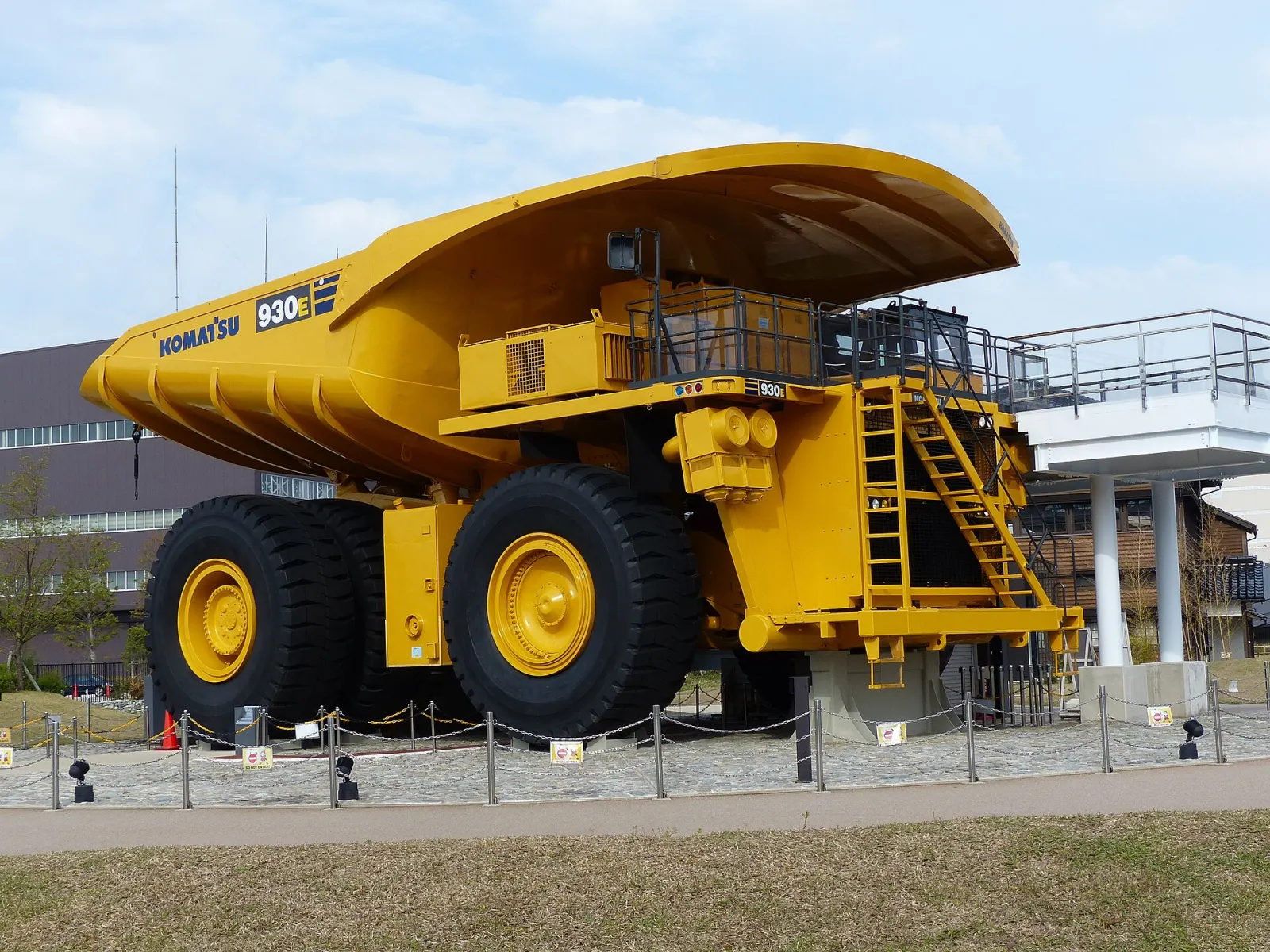
Autonomous haul trucks are no longer a trial technology. Caterpillar’s MineStar Command for hauling fleet has hauled billions of tonnes autonomously across sites in the Pilbara, North America and South America; Komatsu’s FrontRunner AHS, the system that started commercial autonomous haulage at Codelco and Rio Tinto in 2008, operates at a similar scale. Rio Tinto’s AutoHaul, the world’s first automated heavy-haul long-distance rail network, has been running driverless iron-ore trains across roughly 1,700 km of Pilbara track since 2019 — often described as the world’s largest robot.
Why trucks were first
Haulage automated first because it is the most repeatable, most instrumented, highest-cost activity in the pit: fixed routes, controlled traffic, no public interaction, and a payload-hours economic model where a truck that runs through shift change and never fatigues pays for its sensor stack. Operators consistently report double-digit productivity gains and, more importantly, the near-elimination of truck-related fatality exposure on autonomous circuits.
The actual frontier
The unsolved work is the interaction layer: autonomous drills and dozers working the same bench as manned equipment, light vehicles entering autonomous operating zones, and the mine’s live digital model — survey, geology, dispatch, maintenance — staying accurate enough for machines to trust. Interoperability standards for mixed fleets (so a Cat truck, a Komatsu drill and a third-party fleet-management system share one traffic model) are where the competitive pressure now sits.
What it means for operators
For mid-tier miners and quarries, the lesson from tier-one autonomy is that the enabling asset is the data layer, not the truck: accurate surveys, live haul-road condition, disciplined traffic management and telemetry-driven maintenance are the prerequisites autonomy vendors audit before deployment — and they pay for themselves even with drivers still in the seat.