 SITELIVE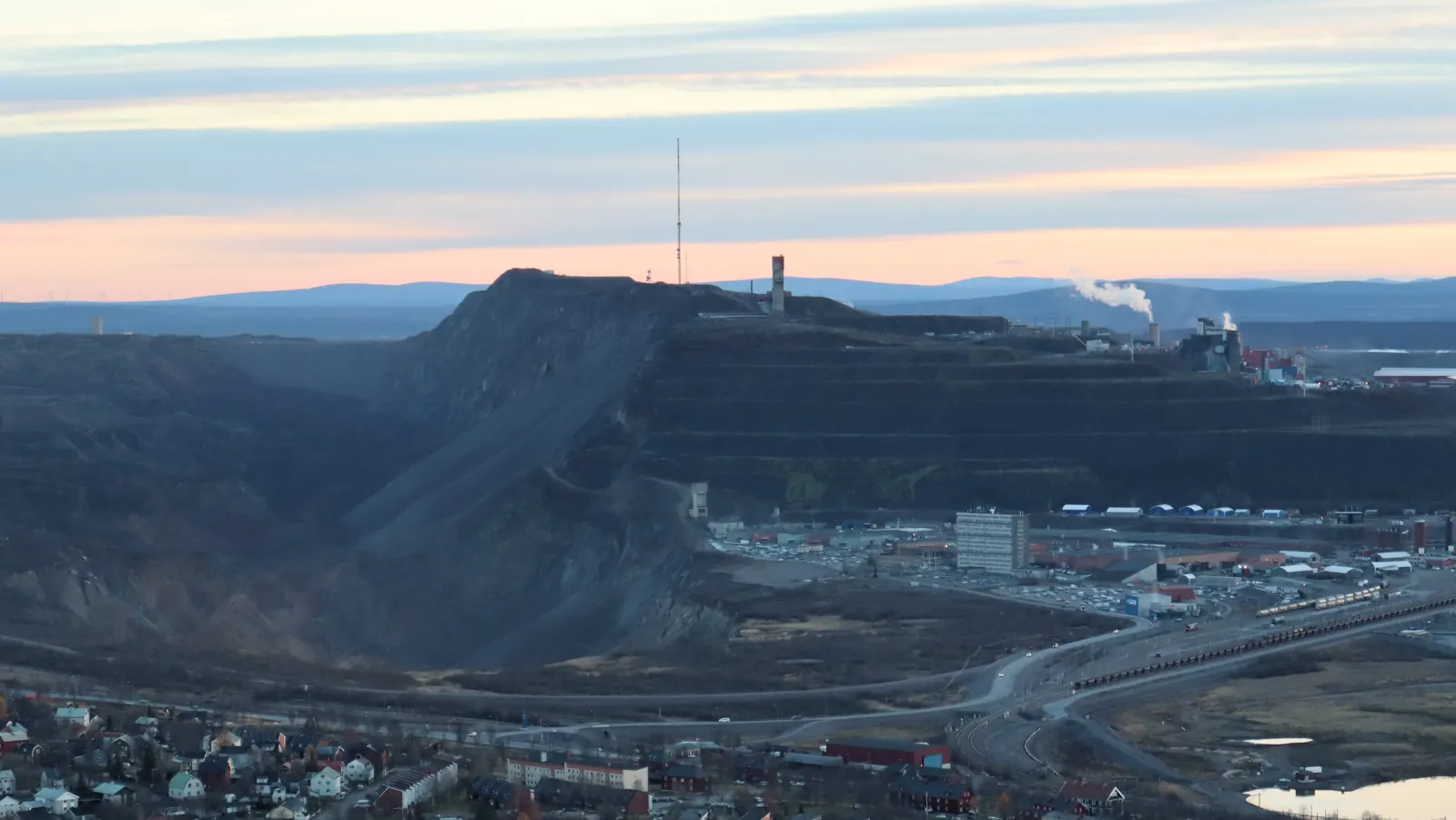
What was ordered
Sandvik said on 5 August 2026 that Gruvaktiebolaget Viscaria has selected it to supply the underground production fleet and lifecycle services for the reopening of the Viscaria copper mine at Kiruna in northern Sweden. The package is four Sandvik DL432i longhole drills and four Toro® LH621i loaders — a 21-tonne-capacity loader with an 8.0 m³ standard bucket — all operated from the same AutoMine® Multi-Lite platform with full fleet integration, plus rock tools and a full service contract. Sandvik will establish a dedicated service organisation at the mine. The order was booked in the third quarter of 2026; deliveries are expected to begin in January 2027 and continue through August 2027.
Viscaria acquired the mine in 2019. It last operated between 1982 and 1997, when it was shut down after a steep decline in global copper prices. Sandvik’s release puts copper production restarting in 2028 with full production expected in 2029; Viscaria says mining of copper ore begins in 2027 and that at a full annual output of 26,000 tonnes it becomes Sweden’s second-largest copper producer.
Why buying the automation now matters
Most underground automation arrives as a retrofit: a mine runs for years, then tries to bolt tele-remote and autonomous tramming onto a fleet, a comms network and a set of work practices that were never designed for it. Viscaria is doing the opposite — every drill and loader in the initial production fleet lands on one platform, before the mine has a legacy way of working to defend. That is a decision about ventilation, drive profiles, communications infrastructure, drawpoint layout and rosters as much as about machines, and it is far cheaper to make on paper than underground.
What Multi-Lite actually gives them is specific, and worth being precise about. Sandvik’s own product literature describes a system where each system operator remotely controls and simultaneously supervises multiple automated loaders and trucks, with each machine completing automated missions in its own dedicated production area, and includes tele-operation with operator-assisting automatic steering. The productive hours come from two places: automated tramming and dumping that keeps running while the operator’s attention is elsewhere, and continued operation during blast clearance times, when people cannot be in the heading. Getting an operator out of the dust, noise and vibration is the safety case; the extra hours around the blast are the production case.
The honest limits
No order value has been published, and none of this is operating evidence: the first machines land in January 2027 and the mine does not produce copper until 2028, so every productivity claim attached to it today is a specification, not a result. Multi-Lite is the multi-machine, dedicated-production-area tier of Sandvik’s automation range rather than full traffic-managed fleet automation, so the operating model depends on how cleanly Viscaria can carve the mine into areas — and on underground communications coverage holding up as the mine deepens. Both quotes in the release are partnership language: Viscaria’s CEO Jörgen Olsson says the agreement "gives us access to modern equipment, digital solutions and a dedicated service organization", and Sandvik mining president Patrick Murphy notes the companies have worked together since 2020. That closeness is a delivery advantage and a single-supplier dependency at the same time. And the restart itself carries the ordinary risks of a development project: schedule, ramp-up, and a copper price that closed this mine once already.
What it means for operators
The transferable lesson is not "buy automation early" — it is that automation is a mine-design decision with a purchase order attached. If the drives, drawpoints, comms and area boundaries are drawn for autonomous machines, the machines work as advertised; if they are drawn for people and retrofitted later, the shortfall gets blamed on the technology. The same holds on a smaller scale for any operator putting a first autonomous loader or drill into an existing operation: the constraint is rarely the machine, it is the layout and the network around it. Ask a vendor for the utilisation their reference sites actually achieve, area by area, and check whether those sites were designed for it.