 SITELIVE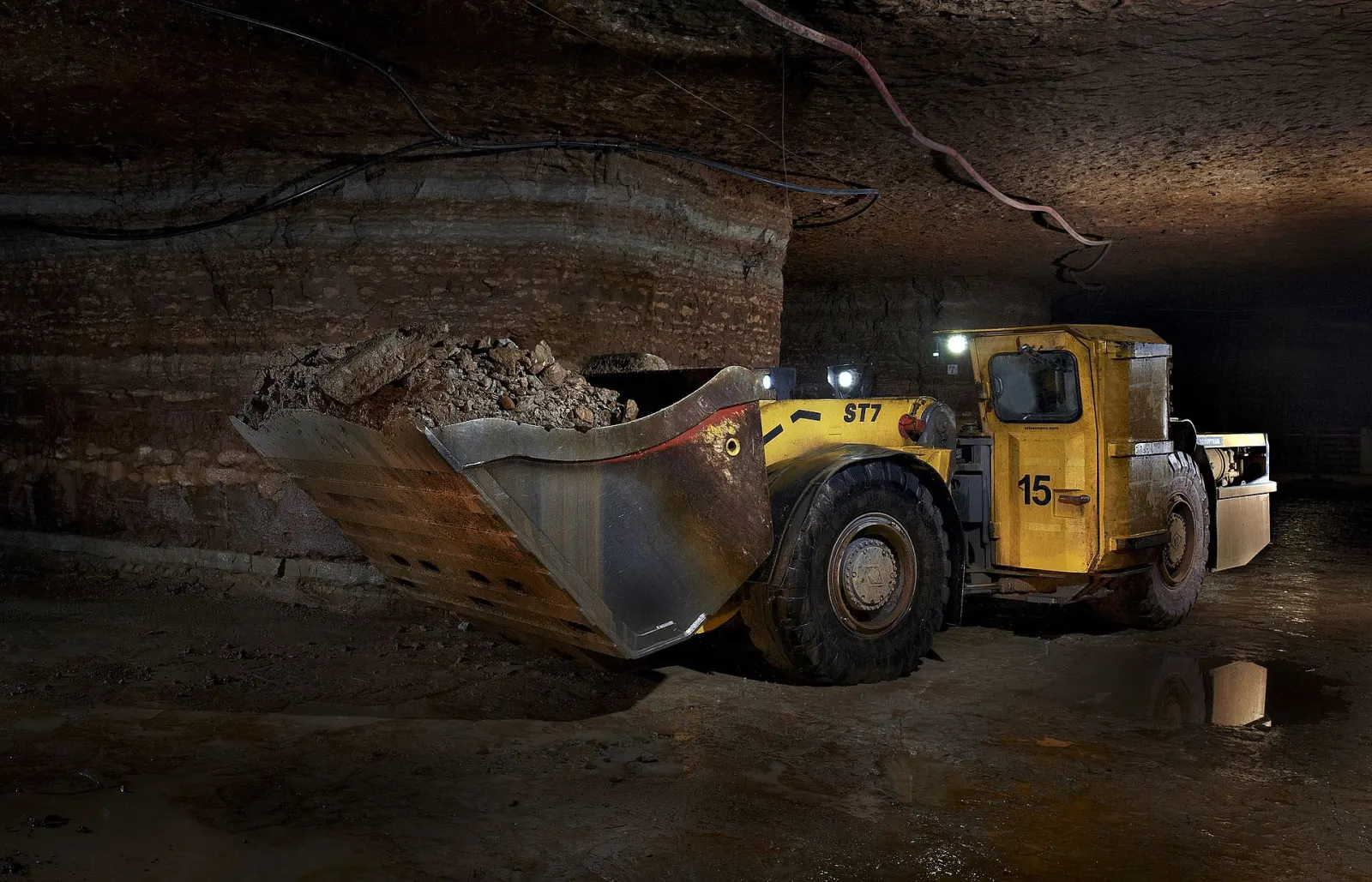
What is actually running underground
Underground automation stopped being a pilot programme a long time ago. Sandvik says its AutoMine platform is proven across more than 140 mines globally and has logged almost nine million hours without a lost-time injury since launch, with the first system commissioned at Codelco's El Teniente in 2004. The order book is the better evidence. Codelco booked a then-record SEK 400 million of AutoMine and connected load-and-haul equipment in the fourth quarter of 2021 for El Teniente — an AutoMine Fleet system scalable to 32 machines with deliveries phased through 2027 — then added a roughly SEK 300 million automation order in the first quarter of 2024 for the mine's new Andesita project. On the other side of the market, Epiroc booked an order of about MSEK 130 from Boliden in the second quarter of 2023 covering battery-electric Minetruck MT42 SG haulers, Scooptram ST18 SG loaders and Boomer and Boltec drill rigs, with its Deep Automation system running the material-handling process at Rävliden, Renström and Kankberg in northern Sweden.
Tramming was the easy part
Autonomous tramming and dumping have been routine for years: the machine runs a route through a barricaded production area and the operator supervises. Filling the bucket was the exception. A drawpoint pile changes shape, fragmentation and moisture every cycle, so operators stayed on tele-remote for the mucking step, and fleet productivity stayed tied to how many machines one person could hand-hold. Sandvik's AutoLoad 2.0, introduced in June 2023, lets an operator teach a loading profile for each drawpoint, save it and reuse it, removing operator assistance from mucking in fixed drawpoint and dump-point applications. Sandvik reports that field tests with customers in Europe and North America produced an eight per cent increase in tonnes loaded per hour and a 19 per cent cycle-time improvement, with more consistent bucket fill factors.
From taught paths to perception
The second change is navigational. In May 2026 Sandvik launched AutoMine Aura, which it presents as a new platform rather than a version increment, built around a navigation system using 3D perception and what the company calls adaptive intelligence. The claims are specific: full situational awareness with no blind spots, and more than 15 per cent more material moved, a figure Sandvik says has been proven and validated at customer sites and demonstrated in what it describes as one of the harshest underground mines globally. The engineering logic is that a machine which perceives its surroundings in three dimensions does not require the mine to hold still for it. The same principle already sits in the entry tier, where assisted tele-remote tramming scans the environment and steers the loader without predefined paths.
Electrification is what makes underground autonomy affordable
A diesel machine underground is a ventilation liability: its exhaust and heat have to be diluted with air, and, as WorkSafe WA's underground ventilation guideline notes, fan and duct design must be sized to cater for large-scale diesel equipment over extended distances. Remove the diesel and that constraint relaxes. Sandvik's automation-capable Toro LH518iB carries an 18-tonne payload on 540 kW of continuous electric drivetrain power and 6,000 Nm of torque from a 482 kWh lithium-iron-phosphate pack, and the company's own framing is that a battery loader is unrestrained by mine ventilation limitations. Its patented AutoSwap and AutoConnect system exchanges a depleted pack without overhead cranes or forklifts, with the operator staying in the cab. Epiroc argues the same case commercially: less cost and energy for ventilation, plus less noise, heat and vibration for the crew.
How good is the evidence
Treat the percentages carefully. The eight, 19 and 15 per cent figures are OEM-published, measured against the vendor's own prior baseline, and no independent audit of them exists in the public record. The stronger signal is commercial repetition. New Gold trialled the first Sandvik LH518B battery loader at its New Afton block cave in late 2020, bought it in February 2021 and ordered four more in January 2023 after more than two years of operation, with its mine manager citing improved cycle times alongside reduced heat, noise and emissions; International Mining reported in December 2024 that two automation-capable LH518iB units had been commissioned operating autonomously there, which Sandvik described as North America's first fully automated battery-electric loaders. Boliden ordered battery and automation packages from Epiroc in 2022 and again in 2023. Codelco has extended AutoMine at El Teniente repeatedly since 2004. Operators do not re-order equipment that loses them money.
The honest limits and economics
Autonomous loading is scoped to fixed drawpoint and dump-point applications — Sandvik says so explicitly — which means caving and mass-mining layouts, not every development heading. Autonomy also still requires an isolated production area with physical access control, underground communications and a control room, which is capital and process discipline before it is technology. Hang-ups, oversize, brow damage and changing ground bring a person back into the loop, and a taught loading profile is only as good as the drawpoint it was taught on. Battery machines add their own logistics: swap or charge bays, spare packs, pack-health tracking and a duty cycle the pack actually fits. The business case is strongest where diesel is expensive, electricity is cheap, and ventilation or heat is the binding constraint on production — which is exactly why the deepest and hottest mines moved first, and why a shallow, well-ventilated operation may find the sums do not work yet.
What it means for operators
For anyone below tier one, the transferable lesson is that the prerequisite for autonomy is not the machine, it is the record. Automated fleets consume accurate as-built development, current drawpoint status, ground-support and inspection compliance, isolation and access-control evidence, and honest machine-health data — and vendors audit precisely those things before they will commission a system. Those records pay for themselves with people still in the seat, because they are what shift handover, incident investigation and reconciliation already run on. The sequencing that works is tele-remote first, automated tramming next, automated loading last, with the data layer built before any of it rather than retrofitted around a commissioning date.